
What kind of toothbrush and toothpaste should my child use?

August 25th, 2021
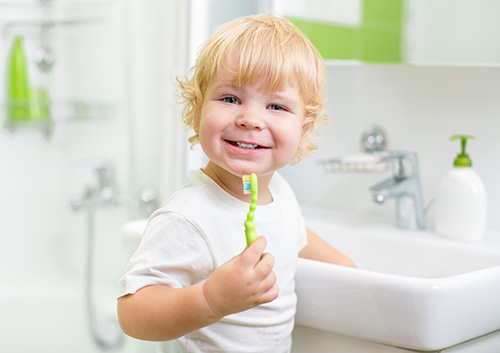
Dr. Meuselbach and our team know that as a parent, you want your child to be as healthy as possible. By now, you probably know that your son or daughter’s oral health plays a huge role in overall health.

When there are so many toothpaste ads and different styles of brush to choose from, it can be difficult to know which will serve your child the best. We recommend you break down the decision process to make it simpler.

First, your child’s age and stage of development are vital to consider. Until about the age or 12, your youngster may not be prepared to brush or floss adequately alone, due to dexterity issues. If that’s the case, it can be easier to use a battery-powered toothbrush to improve the quality of brushing.

Next is to select the right size of toothbrush head to fit your child’s mouth. As a general rule, the head of the toothbrush should be a little larger than the upper portion of the child’s thumb.

Flossers are great for children and easy to use. They have handles and a horseshoe shape on one end with floss in between. Your child can choose a color he or she likes as well as the handle size, shape, etc.

Not only are there many brands of toothpaste to choose from, there are also many different ingredients that offer varying benefits. Kids are at high risk for developing cavities so you want to make sure the following ingredients are in your child’s toothpaste if you wish to avoid problems later on.

Sodium fluoride is the standard ingredient for cavity prevention, while stannous fluoride is anti-bacterial and anti-cavity. Anti-sensitivity toothpastes often contain potassium nitrate, and triclosan can be found in one particular brand for anti-bacterial action.

Fluoride should not be ingested, so if your child can’t spit yet, use a toothpaste that contains xylitol. This is a natural sweetener and should be the first ingredient listed on the tube.

Now comes the fun part: choosing a flavor! Your little one may sample different flavors and select the one he or she likes the best. A youngster is more likely to adopt good brushing habits if the flavor is appealing.

Don’t hesitate to speak with Dr. Meuselbach if you need to make an appointment at our West Chester office, or if you have any questions about toothpastes or toothbrushes.


Is there really a link between my mouth and heart?

August 18th, 2021

Yes, indeed! While brushing, flossing, and regular visits to Robert Scott Meuselbach DDS are all key to maintaining a healthy smile and mouth, Dr. Meuselbach and our team want you to know the state of your oral health has a significant effect on your overall health.

Our mouths are full of bacteria—some good, and some harmful. Some types of bad bacteria can cause cavities, gingivitis and even periodontal (gum) disease. Without proper oral care and hygiene, these harmful types of bacteria are capable of entering your blood stream through inflamed gums, when inhaled through the mouth or through saliva.

Gum disease, in turn, has been linked to a number of health problems, researchers have found. These include:

  • Heart disease: Gum disease may increase the risk of heart disease. Gum disease also is believed to worsen existing heart disease.
  • Stroke: Gum disease may increase the risk of the type of stroke caused by blocked arteries.
  • Diabetes: People with diabetes and periodontal disease may be more likely to have trouble controlling their blood sugar than diabetics with healthy gums.
  • Premature birth: Women who suffer from gum disease during pregnancy may be more likely deliver their baby early, and it is likely her infant may be of low birth weight.

Dr. Meuselbach and our team at Robert Scott Meuselbach DDS are experts in identifying and treating periodontal disease. Give us a call today at our convenient West Chester office to schedule an appointment to improve your oral health and your overall health, too!

I have fluoride toothpaste and fluoridated water; do I need a fluoride treatment?

August 11th, 2021

Fluoride is a naturally found ion with a history of greatly reducing the incidence of tooth decay in children. However, over the past decade, people have increasingly consumed bottled water, most of which does not contain fluoride, and children are no longer getting the recommended dosage of fluoride. In addition, many areas do not add the optimum amount of fluoride to the town drinking water.

Everyone’s dental needs are different. The amount of fluoride a person needs is determined by age (children), tooth sensitivity, risk for cavities, and medical conditions. When a patient needs additional fluoride it can be applied in a foam or varnish.

Children receive additional topical fluoride because teeth in the early development stages have a higher mineral uptake. The future strength of the enamel depends on this. When a tooth absorbs the fluoride ion, it creates hydroxyapatite, a harder mineral compound than enamel alone.

Those who have a dry mouth from medication also need extra fluoride. A daily fluoride rinse and a semi-annual fluoride varnish treatment are standard. If you are on medicine for high blood pressure, anxiety, diabetes, depression, or cholesterol, you may fit in this category.

Cancer treatments can also greatly impact your oral health. Fluoride varnish treatments prior to, during, and after radiation and chemotherapy can be beneficial. There are other mouth conditions which coincide with cancer treatments which make it difficult to brush and floss daily, and can contribute to an increased risk for decay. An infection during cancer treatment can be especially harmful, which is why preventive measures are important.

Fluoride treatments, administered topically, are highly beneficial in preventing decay. Feel free to call Robert Scott Meuselbach DDS to schedule an appointment or if you have any questions.

Is Charcoal Teeth Whitening Safe?

August 4th, 2021

Health and beauty trends surface on the web every day, and it can be difficult to tell which ones are worth your time, or even safe, for that matter. Perhaps one of the biggest dental trends recently on Facebook, YouTube, and Instagram has been teeth whitening through brushing with activated charcoal.

Unfortunately, charcoal whitening isn’t everything the Internet makes it out to be. Activated charcoal isn’t what you use to grill at a summer barbecue; it’s an oxidized substance made from peat, coal, wood, coconut shell or petroleum heated with a gas.

Toxins and surface stains can cling to charcoal due to its adhesive qualities, which is why some people declare it’s perfect for removing discoloration on teeth. Although it may show quick results initially, charcoal is nothing more than a temporary solution.

The abrasive texture may roughen up enamel, which will make it easier for future stains to stick to the surface of your teeth. They may show stains shortly after you use charcoal on them, and may become even more discolored than before.

It’s crucial to emphasize the results of damaged tooth enamel because it cannot replenish itself, which means any damage is permanent. People with receding gums or sensitive teeth especially should steer clear of charcoal because it can make brushing too harsh and worsen sensitivity.

Long-time use can deplete enamel, which over time exposes dentin: the soft, yellowish layer in the tooth. This puts you at a higher risk for cavities, tooth discoloration, and complicated dental problems such as periodontal disease in the future.

The American Dental Association does not approve of charcoal as a safe means for whitening teeth. If you do choose to use it, do so with caution.

Charcoal should be used once every other week at the most, even if your teeth feel fine. The only proven ways to whiten teeth safely are with ADA-approved whitening products or in-office bleaching treatments overseen by a dental professional.

Before you begin any whitening treatment at home, consult with Dr. Meuselbach to make sure your teeth won’t be harmed in the process. If you are already experiencing sensitivity, stop charcoal use immediately and make an appointment with our office right away.

If you have questions about whitening or want to schedule an in-office whitening treatment, feel free to give our West Chester office a call today!