How a High-Tech Office Helps Your Dental Treatment

September 15th, 2021

A dental office on the cutting edge of technology offers numerous benefits to its patients. Whether you are in need of a simple cleaning or extensive restorative work, these technologies will help you stay more comfortable and give you better results than the outdated tools used in many offices. Here are some of the technologies that you can expect to see in our modern dental office:

  • Digital radiography – Digital X-rays and imaging expose patients to far less radiation than traditional X-rays. Not only that, but these digital images provide a more detailed and easier-to-view snapshot of what is going on in and around your teeth. They make it easier for patients to see what's going on since we can show them right on the computer monitor. It's also better for the environment because there’s no need for the toxic chemicals used to develop traditional X-ray films.
  • Panoramic X-rays – This digital X-ray gives Dr. Meuselbach a more in-depth understanding of the entire structure of your mouth and head than a regular X-ray. The panoramic X-ray machine rotates around your head and takes a 3D image of it, giving us a very complete picture that allows for more effective and timely treatment planning.
  • Bioceramic implants, prosthetic devices, and sealants – Advances in implants and prosthetic devices over the past several decades has led to the creation of bioceramic (nontoxic) materials ideal for crowns, veneers, and implants. These materials allow for more visually appealing dental work since there are no metals used with these high-tech ceramics.
  • Paperless bills and records – We all know the inconvenience of paper bills and receipts; they can create clutter and get lost. Our office has done away with this trouble by going paperless. This means you'll receive all your pertinent paperwork in your email inbox and records will be kept digitally at the office. No more wall full of patient records!

This is just an overview of the many advances that we’ve made to our West Chester office to make it cleaner, quieter, more comfortable, and more efficient, helping you spend less time in the chair and more time smiling!


Is sedation dentistry right for me?

September 8th, 2021

At Robert Scott Meuselbach DDS, we are well-aware of the 25 million Americans who fear having to visit the dentist. Dental phobias are known to range anywhere from feeling mildly nervous to experiencing sweaty palms and even a racing heartbeat upon entering a dentist’s office. This anxiety can sometimes be so severe that it prevents people from visiting a dentist for years, postponing dental procedures that often result in costly problems down the road.

For those of our patients who have dental anxiety or dental phobia, it may be time to look into sedation dentistry, a safe and effective option for patients who are anxious or afraid, have a bad gag reflex, limited jaw opening, or for those who have a difficult time getting numb.

Sedation dentistry, a term that we use to refer to the use of anesthesia during treatment to put patients into a relaxed state, comes in many forms of sedation, from simply easing anxiety, to “conscious sedation,” which places patients in what we call a “twilight sleep.” Sedation dentistry at our West Chester office allows our patients to drift through their appointments—including complex dental work—as well as feel completely relaxed throughout their visits, without any discomfort or pain. Sedation dentistry can turn a nerve-wracking visit into a comfortable and enjoyable one.

Dr. Meuselbach and our team will be more than happy to discuss any concerns, issues, or fears you may have before or during your visit, and will be able to tell you if you are a candidate for sedation dentistry.

By talking with Dr. Meuselbach about sedation dentistry, you can feel more comfortable and relaxed during your next visit to Robert Scott Meuselbach DDS. Give us a call today!

Keep Those Teeth Shipshape, Matey!

September 1st, 2021

September 19th is just around the corner, and you know what that means—Aye, matey, it’s “Talk Like a Pirate Day”! Why do we have a “Talk Like a Pirate Day” and not a “Take Care of Your Teeth Like a Pirate Day”? You don’t need a treasure map to find the answers!

  • High Seas Hygiene

The toothbrush as we know it, with easy to clean nylon bristles, was invented less than 100 years ago. Even toothbrushes with animal bristles weren’t easily available until a century after pirates sailed the seas. If pirates brushed at all, they probably used rags or twigs with frayed ends to clean their teeth. And rags and twigs just can’t take care of plaque the way careful brushing and flossing can.

Two minutes brushing in the morning and two minutes at night, with careful flossing each day, will help keep your teeth as white as a chest of pearls—and healthy to boot!

  • Dastardly Diet

Pirates were a scurvy lot—literally. Scurvy is a disease caused by a lack of vitamin C, a vitamin found in fresh fruits and vegetables. One of the many unpleasant symptoms of scurvy is bleeding, swollen gums. As you can imagine, months at sea on a pirate ship provided very few chances for fresh fruit and vegetables. As a result, sailors often had to live with gum pain and even tooth loss from serious gum disease.

We now know that eating a healthy diet is a key to oral health. In fact, it was a British naval doctor who discovered that bringing oranges, lemons, and limes aboard sailing vessels prevented scurvy—but sadly for our pirate crew, this discovery happened several decades after the Golden Age of Piracy. Fortunately, you have access to a bounty of fresh fruit and vegetables. Eat a diet rich in vitamins and minerals, and your teeth and gums will be all the better for it.

It’s not looking too good for our pirate crew, but let’s look on the bright side—even if a pirate did get a cavity or suffer gum disease, he could always see the ship’s dentist, couldn’t he?

  • Ship’s Dentist—Arrrr You Kidding?

If a pirate had a bad cavity, his best treatment option would probably be to ask a fellow pirate to pull the tooth. If a pirate needed a root canal, his best treatment option would probably be to ask a fellow pirate to pull the tooth. If a pirate had a cracked tooth, his best… well, you get the picture.

Luckily, it’s a different world today. Now we have dentists with years of education and training, modern tools and equipment, and the very best medical knowledge to treat all of our dental problems, big and small. See your dentist at least twice a year for exams and cleanings, and you will reap the bountiful rewards of regular, professional, proactive care.

Being a pirate for a day is fun. We all enjoy tales of a good treasure hunt. But you already have a treasure that most pirates could never hope to have—healthy teeth and healthy gums! And with proper care, this treasure can last a lifetime. Until next September 19th, fair winds and good checkups at our West Chester office be yours, matey!

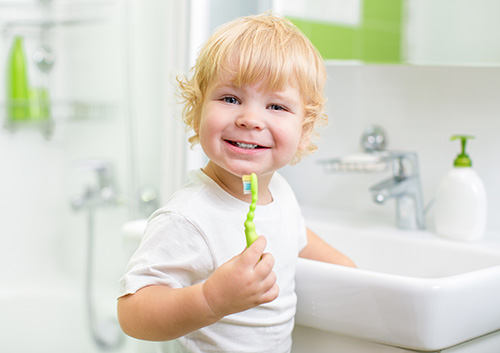
What kind of toothbrush and toothpaste should my child use?

August 25th, 2021

Dr. Meuselbach and our team know that as a parent, you want your child to be as healthy as possible. By now, you probably know that your son or daughter’s oral health plays a huge role in overall health.

When there are so many toothpaste ads and different styles of brush to choose from, it can be difficult to know which will serve your child the best. We recommend you break down the decision process to make it simpler.

First, your child’s age and stage of development are vital to consider. Until about the age or 12, your youngster may not be prepared to brush or floss adequately alone, due to dexterity issues. If that’s the case, it can be easier to use a battery-powered toothbrush to improve the quality of brushing.

Next is to select the right size of toothbrush head to fit your child’s mouth. As a general rule, the head of the toothbrush should be a little larger than the upper portion of the child’s thumb.

Flossers are great for children and easy to use. They have handles and a horseshoe shape on one end with floss in between. Your child can choose a color he or she likes as well as the handle size, shape, etc.

Not only are there many brands of toothpaste to choose from, there are also many different ingredients that offer varying benefits. Kids are at high risk for developing cavities so you want to make sure the following ingredients are in your child’s toothpaste if you wish to avoid problems later on.

Sodium fluoride is the standard ingredient for cavity prevention, while stannous fluoride is anti-bacterial and anti-cavity. Anti-sensitivity toothpastes often contain potassium nitrate, and triclosan can be found in one particular brand for anti-bacterial action.

Fluoride should not be ingested, so if your child can’t spit yet, use a toothpaste that contains xylitol. This is a natural sweetener and should be the first ingredient listed on the tube.

Now comes the fun part: choosing a flavor! Your little one may sample different flavors and select the one he or she likes the best. A youngster is more likely to adopt good brushing habits if the flavor is appealing.

Don’t hesitate to speak with Dr. Meuselbach if you need to make an appointment at our West Chester office, or if you have any questions about toothpastes or toothbrushes.