Don’t Let Craze Lines Faze You

July 9th, 2025

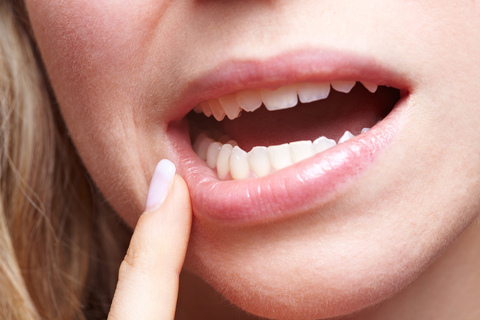
You’re getting ready for a night out, or you’re checking to make sure you removed every bit of spinach after eating, or you’re practicing your best selfie smile . . . and suddenly, you see something alarming in the mirror—tiny cracks in your tooth enamel! Is this a dental emergency?

Almost always, the answer will be no.  Cracks like this are most likely “craze lines,” and craze lines are not serious cracks in your teeth. These diminutive flaws are shallow vertical cracks in the enamel which don’t go all the way through the tooth and don’t affect the tooth’s structural integrity. Like the crazing on a piece of glazed pottery, these tiny cracks are superficial, and the only reason for concern is cosmetic.

  • Cause for Crazing?

Time and normal wear on our enamel are the most common culprits. Years of biting and chewing are stressful.

But you can help prevent additional craze lines by avoiding bad habits which can put external stress on your teeth: nail biting, knocking on teeth with oral jewelry, crunching down on ice cubes, using your teeth to open bottle caps—in fact, using teeth for anything other than chewing food.

Grinding your teeth is also hard on your enamel. If you suffer with bruxism (the medical term for tooth grinding), ask Dr. Meuselbach about a mouthguard or night guard. Eliminating the extra stress of unconscious grinding and clenching reduces the chances of craze lines. Even better, getting treated for bruxism can reduce the risk of serious pain and damage to your teeth and jaws.

  • Staining Can Make Craze Lines More Visible

Craze lines are often invisible unless the light is just right. However, you can make craze lines more noticeable if you drink coffee, tea, red wine, or dark sodas regularly. And if you need another reason to give up tobacco products, smoking, chewing, or any other use of tobacco can also darken craze lines.

Stains in craze lines don’t usually respond to brushing. You might be able to lighten stains with home or professional whitening. Ask Dr. Meuselbach for the options which are best for your staining.

  • Repairing Craze Lines

Don’t let tiny flaws keep you from smiling! If you are unhappy with the appearance of your enamel, talk to us about possible treatments, including bonding and porcelain veneers.

  • When It’s More Than a Craze Line

While a craze line is generally nothing to be concerned about, a deep line, or a line which is getting bigger, might suggest a crack in the tooth. Cracks need to be assessed and treated to avoid damage not only to the exterior of the tooth, but to the pulp of the interior as well.

How can you tell the difference? Craze lines are not painful; a cracked tooth might be. Sensitivity to hot and cold foods, painful chewing, gums swollen around a tooth, pain when you bite down, a crack that is getting larger—any of these symptoms could be a sign that you have a cracked tooth. These are reasons to visit our West Chester dental office ASAP.

Craze lines might be medically harmless, but if they impact your confidence, that’s a problem. Our team can help you change habits that are causing craze lines, remove staining, or repair cosmetic damage. If you’re not crazy about those craze lines, ask us for solutions that will bring back your confidant smile.

How to Celebrate National Junk Food Day

July 2nd, 2025

We mark special times throughout the year to encourage better oral health, like Dental Hygiene Month, and Children’s Dental Health Month, and even National Root Canal Day! This July 21st is National Junk Food Day, and we couldn’t let it pass without some healthy ideas to help you make the best of this not-so-dentally-healthy day.

What makes junk food unhealthy? Most of the foods in this category have high levels of sugars, starches, salts, or fats, which aren’t good for your body in large quantities. When it comes to your dental health in particular, some junk foods are worse than others because they are actively destructive to your tooth enamel.

Foods like candy, cookies, doughnuts, chips, energy drinks, sports drinks, and sodas can have large amounts of sugar, starch, and acid. And a diet filled with sugars, starches, and acids puts your tooth enamel under constant attack. 

The bacteria in plaque make acids from the sugars and starches (which break down into sugars) in our diets. These acids then erode the mineral crystals which give our enamel its strength, leaving weak spots which can deepen and become cavities. A steady diet of sweet and starchy foods for you creates a steady diet of sugar for cavity-causing bacteria. 

Just like the acids produced by bacteria can erode tooth enamel, acids in food can also strip away the minerals which keep your enamel strong. Sodas, sports drinks, energy drinks, and many fruit juices are often both sugary and highly acidic, making them very damaging to tooth enamel.

So, let’s spend a few moments today to discuss how you can enjoy a bit of junk food every now and then and still take good care of your teeth.

  • Limit Sugars, Starches, and Acids

We don’t just mean limiting the number of treats you eat in a day. It’s also a good idea to limit treats to certain times as well. Eat desserts with meals, when saliva production is higher, to help wash away sugary and starchy food particles. Acidic drinks, when sipped throughout the day, are like bathing your teeth in acids. Better to drink a soda or sports drink in one sitting and drink or rinse with water after! 

  • Brush after Eating Sticky Sugary and Starchy Foods

Sticky foods filled with sugars and starches are double jeopardy for your tooth enamel. Not only are they the foods of choice for plaque bacteria, they also tend to stick to your enamel and between your teeth, giving cavity-causing bacteria more time to work. An after-treat brushing will get rid of any sugary or starchy leftovers as well as removing built up plaque.

  • —But Don’t Brush Too Soon After Acidic Foods and Drinks

When you eat or drink something acidic, your enamel is more vulnerable to damage immediately afterward because acids remove minerals from tooth enamel. If you brush right away, even soft bristles can be abrasive. Wait about 60 minutes to brush, which gives your tooth surface time to get strong again with the enamel-building minerals found in saliva. 

  • Make Water Part of Your Healthy Diet

Easy, available, inexpensive—what’s not to like about water? Oh, and it’s also healthy for your teeth! Rinsing with water after a treat helps remove lingering food particles and acids. And drinking water when you’re thirsty helps you produce saliva. Saliva not only rinses our teeth, it helps neutralize acids and helps replace calcium and phosphate minerals which may have been stripped away by acids.

This July 21st, we’re not really celebrating junk food—we’re celebrating all the things you do to protect your oral health. So, whether you’re indulging today or not, keep your teeth their healthiest by making junk food a rare treat, keeping up with your daily brushing and flossing, and seeing your dentist regularly for checkups and cleanings. Let’s make National Junk Food Day just another day in a year filled with healthy smiles!

Celebrate the Fourth with a Smile!

July 2nd, 2025

As our nation prepares to observe its birthday, we’d like to share some timely dental tips to help make celebrating the Fourth of July more enjoyable for you and healthier for your teeth and gums.

Hydrate

It might be hot and humid where you’re living, so be sure to keep hydrated in the backyard or along the parade route. Proper hydration is essential for both your overall health and your oral health. Drinking water helps prevent cavities by washing away food particles and bacteria and reducing acidic conditions in the mouth. 

Use Ice for Cooling, not Chewing

If you’re enjoying an icy cold beverage to beat the heat, don’t crunch down on that ice! Chewing on ice can lead to immediate disaster in the form of a chipped or cracked tooth or a broken filling or crown. And, over time, munching ice will damage your enamel, making your teeth more sensitive to heat and cold and more vulnerable to cavities. 

Enjoy All Your Cookout Favorites

If you celebrate the Fourth with family and friends, there’s a good chance you’re celebrating outdoors. According to surveys, Independence Day is the most popular grilling day in the country. Are you sitting on the picnic table sidelines because of loose teeth, tooth pain, or missing teeth? Don’t miss out on any of the fun in West Chester! 

  • Tooth pain can be caused by cavities. It can also be a sign of a damaged tooth or an infection. If you suffer persistent tooth pain lasting several days or more, it’s time for a dental appointment.
  • Gum disease can cause bone loss, loose teeth, and lost teeth, making sharing a meal with friends something you avoid instead of something you look forward to. Regular flossing, cleanings, and checkups will help keep your gums in the pink. If you have advanced gum disease, we can discuss treatment options.
  • If you or a loved one wear braces, be sure your BBQ choices are not only delicious, but safe for wires and brackets. Offer menu options which are braces-friendly—that is, which are soft and easy to eat rather than hard, crunchy, or sticky. Remove kernels from corn on the cob and have utensils available to cut finger foods like burgers and hot dogs into fork-friendly bits. 
  • Missing teeth not only make dining difficult, but can also lead to gum disease, decay, and misalignment in adjacent teeth. To enable you to enjoy your meals and to protect your dental health, talk to Dr. Meuselbach about implants, bridges, or dentures to make your smile complete again.

Whether you’re marching in the parade, enjoying a meal with family and friends, oohing and aahing at the fireworks, or all of the above, we wish you a healthy and happy Fourth of July! If you have any dental concerns, we’re here at Robert Scott Meuselbach DDS to help you achieve your best smile every day of the year.

I don't brush while I'm at work. Should I?

June 25th, 2025

Yes, absolutely. A recent survey by Oral-B® reveals that despite knowing that a healthy, good-looking smile affects not only their personal wellness but their professional image as well, very few people (only 14 percent) brush and floss at the office regularly. What’s more, three quarters of people who responded to the survey said they ate twice or more a day at work.

Today, Dr. Meuselbach and our team thought we would provide some tips for brushing at work.

  • Leave a toothbrush at work to increase your likelihood of brushing
  • Brush your teeth twice a day with fluoride toothpaste. Replace your toothbrush every three or four months, or sooner if the bristles are frayed. A worn toothbrush won’t do a good job of cleaning your teeth.
  • Clean between teeth daily with floss or an interdental cleaner; this helps remove plaque and food particles from between the teeth and under the gum line. Tooth decay-causing bacteria still linger between teeth where your toothbrush bristles can’t reach.

And remember to brush for 30 to 45 seconds across visible parts of the teeth. Brushing after breakfast or lunch will eliminate any remaining food particles and odors. We recommend people brush their teeth twice and floss once a day to remove plaque and other harmful bacteria.

To schedule your next appointment with Dr. Meuselbach at our West Chester office, please give us a call!