
Oral Health Problems: An indicator of overall health problems?

August 8th, 2018
If you are like many people, you might think of your oral health as separate from your overall health. After all, most dental coverage plans are distinct from health care coverage. However, your oral health goes far beyond being able to chew nutritious and enjoyable foods. Oral health problems may be an indicator of a variety of other health problems.

Links between Oral Health and Overall Health

In the late 1980s, researchers noticed a trend among patients who had recently suffered from heart attacks. As the Journal of the American Dental Association reported, they observed that these patients were more likely to have dental caries or cavities, periodontitis or inflammation around the tooth, and other forms of gum disease. Later studies found similar results, and dentists and doctors now recognize poor oral health as a risk factor for a variety of heart conditions, such as heart attacks, atherosclerosis, and coronary heart disease.

There are even more links between oral health problems and overall health problems. Some individuals do not find out that they have Type 2 diabetes until a dentist sees that they have periodontitis. If you have diabetes, worsening periodontitis can indicate that your diabetes is not under control.

Poor oral health is also associated with rheumatoid arthritis. Furthermore, poor oral health puts you at higher risk for respiratory infections, such as pneumonia, because harmful pathogens can enter your body through your mouth.

Take Care of Your Teeth

Keeping your teeth healthy remains important, especially as you grow older. Older adults are more prone to dental caries and other oral health problems, as well as to chronic diseases. While taking care of your oral health might not prevent a specific disease, a healthy mouth is a significant factor in your overall health.

You can take care of your teeth by continuing to brush twice a day and floss every day. Avoid consuming too many sugary and starchy foods, and drink water after each meal or snack to rinse your teeth. See Dr. Meuselbach for regular checkups, and contact Robert Scott Meuselbach DDS if you have any concerns about your teeth or gums.

Do You Have A Cavity?

August 1st, 2018

Sometimes cavities are hard to avoid. Our team at Robert Scott Meuselbach DDS wants you to know you aren’t alone when it comes to getting cavities. They can appear in both children and adults, and in order to avoid the pain and hassle, you need to understand how they form and what to do to prevent them from developing in the first place.

Cavities form when bacteria, acids, or sugars build up and form plaque on your teeth, which can destroy your enamel. When you don’t brush and floss properly, the build-up can cause cavities to form. In essence, a cavity is a decayed part of your tooth that cannot be repaired by your body’s immune system. This is why a dentist will need to treat your cavity with a filling. If it grows for too long and manages to infect the root of your tooth, a root canal may be the only solution.

Cavities are often symptom-free; you might not experience any pain at first, other than the occasional irritation when you drink a hot or cold beverage. Other signs of possible cavities include persistent bad breath, pus or discharge around a tooth, black or brown discoloration, small pits or holes in a tooth, and perhaps a sticky feeling when you bite down. It’s crucial to treat cavities sooner rather than later if you wish to avoid excessive pain and the necessity of a root canal.

You can avoid cavities by keeping up with good oral hygiene, eating a well-balanced diet, and scheduling regular cleanings with Dr. Meuselbach. They can still occur at any time, no matter what age you are, so make sure to brush, floss, and rinse every day. If you notice any of the above symptoms, please contact our West Chester office and schedule an appointment.

Baby Teeth and Cavities

July 25th, 2018

We know how frustrating it can be to discover your child has one or more cavities when you come to visit Robert Scott Meuselbach DDS. There are several ways to prevent baby teeth from forming cavities due to decay. Not to worry: If your child does develop a cavity on a baby tooth, Dr. Meuselbach can help take care of the problem.

Let’s look at how cavities on your little one’s teeth can be prevented from developing in the first place. Most often, children suffer decay from eating sugary foods. You may think, “My child doesn’t eat lots of candy!” In truth, fruits and juices have plenty of natural sugars that can break down teeth if they aren’t brushed thoroughly.

A well-balanced diet that includes calcium and phosphorous is necessary to keep your child’s oral health in a good state. If your son or daughter drinks juice, avoid giving it before bedtime and dilute the juice with water. Good options for snacks include vegetables, low-sugar yogurt or dairy products, and plenty of milk for healthy teeth.

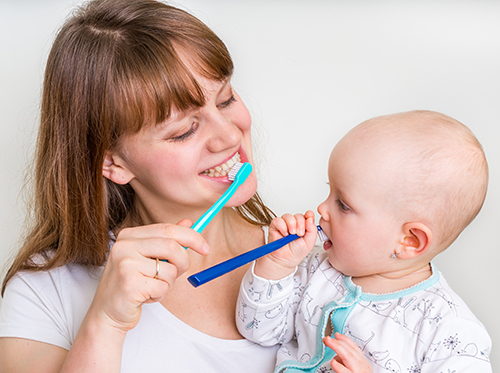
Another excellent preventive strategy consists of scheduling regular appointments with Dr. Meuselbach for your child. Between your youngster’s annual cleanings, make sure he or she brushes and flosses every day. It’s worthwhile for your little one to brush thoroughly for at least two minutes to remove any decay or plaque that has accumulated in the mouth, especially before bedtime.

Brushing Techniques

  • Move the brush both back and forth, and in circular gentle strokes.
  • Brush the outer surfaces, inside surfaces, and chewing surfaces of all teeth.
  • Place the toothbrush at a 45-degree angle to the gums.
  • Brush the tongue to remove excess bacteria and keep breath fresh.

It’s not always possible to prevent cavities from appearing in your son or daughter’s mouth. If your child does develop a cavity, our staff will notify you during the regular scheduled cleaning.

The cavity will need to be eliminated, even when it appears on a baby tooth. Our staff will remove the decayed part of the tooth and fill in the hole so your child doesn’t have to experience any pain.

You may wonder why a baby tooth has to be fixed if it is eventually going to fall out. Baby teeth hold spaces where your child’s permanent teeth have to grow in. If the former aren’t taken care of, multiple teeth may shift and the permanent ones won’t be able to grow in properly.

If you still have questions or concerns about your child’s baby teeth, or notice signs of a cavity, please don’t hesitate to contact our West Chester office and schedule an appointment. Remember, preventive steps can be taken to avoid bothersome cavities from forming in your child’s mouth.

Four Tips for Soothing a Toothache

July 18th, 2018

Whether it’s a dull and throbbing ache or a sharp pain, toothaches can come in many different forms. Chances are you’ve had the discomforting experience once or twice in your life. It’s the type of experience that nobody wants to have, because a toothache can be as annoying as fingernails scratching a chalkboard.

What’s a good way to describe a toothache? Let’s see … your mouth feels as if it’s being besieged by one of those Loony Tunes-style jackhammers. As fate would have it, toothaches always seem to occur over the weekend or after-office hours, leaving you to suffer and forcing you to cancel your reservation at that high-end restaurant you’ve been anticipating all week.

Not so fast!

While you’re probably going to want to skip the rib-eye steak, there are numerous tried-and-true home remedies you can use to ease the pain until you can make an appointment with our office. Here’s a look at four ways to soothe a toothache.

  1. Don’t underestimate the power of salt water. Rinsing your mouth with warm salt water will both soothe your toothache and disinfect your mouth. However, make sure the water is warm; cold water can further exacerbate a sensitive tooth. Follow up the saltwater rinse by swishing your mouth with hydrogen peroxide.
  2. Clove oil, eucalyptus oil, peppermint oil, and vanilla extract are proven to be comforting elixirs. Dip a cotton swab in one of these mixtures and apply it to your tooth and gums. These substances, which you may even have in your kitchen cupboards, are known to have pain-relieving qualities. For the best results, repeat the application throughout the day.
  3. Eating yogurt is good for toothaches and mouth pain. Yogurt is filled with healthy bacteria that combat pain. Afterward, place a cold compress on your jaw.
  4. Try flossing. Your toothache might be throbbing and severe, but there’s always a chance the pain is caused by a piece of food awkwardly lodged in your teeth.

We hope that helps! Give Robert Scott Meuselbach DDS a call to learn more!